PED Discussed “Water in Japanese Gardens” at Nichibei Exchange
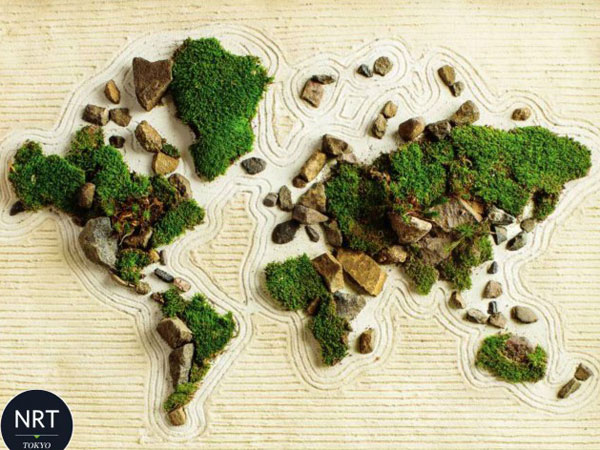
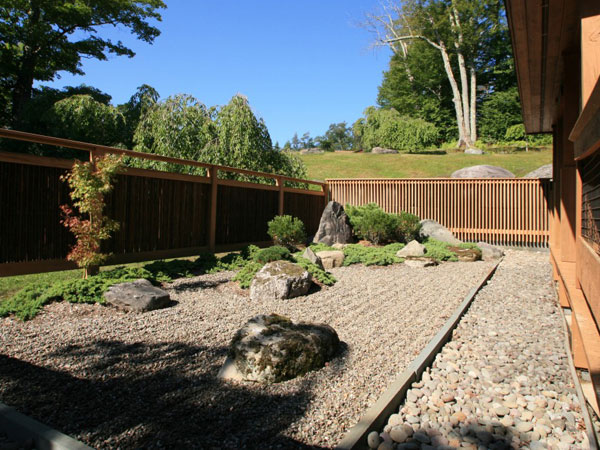
Takaya Kurimoto of PED presented a lecture on “Water in Japanese Gardens” at Nichibei Exchange in New York on April 28. Water is one of the most important elements in Japanese gardens. Even Japanese dry gardens have imaginary water. Takaya introduced some examples to illustrate the meaning and design of
Beauty of Not Showing All in Japanese Architecture
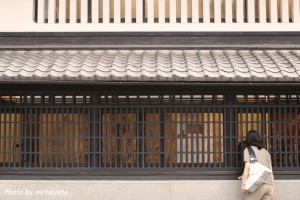
Is this, seen on this picture of Machiya townhouse in Kyoto, an opening or a wall? Japanese architecture have neither, not in a clearly defined way in Western architecture. An element that looks like a wall is thin and can slide open. Other things that look like openings are just perforated walls. The
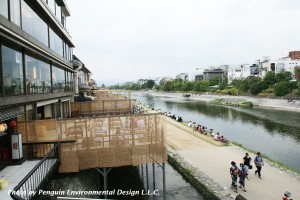
Kamo River – Water to divide life and death
In Japan, people think that water sometimes becomes a border to divide two different worlds. Kamo River, which runs through Kyoto City, also used to be thought as the border to separate the world for the living from that for the dead. There was a crematory in the area called
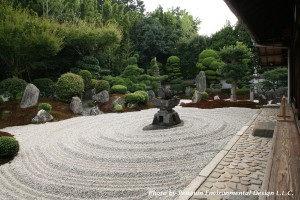
Finding Solace in Stone and Sand: The Healing Power of Japanese Gardens
For centuries, humans have sought to cultivate havens of peace and tranquility. One captivating expression of this desire is found in the Japanese garden, a design tradition where nature is meticulously arranged to create a powerful healing experience. A Reflection of the Cosmos: Unveiling Buddhist Influences Beyond their undeniable beauty,
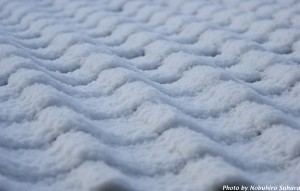
Patterns in Japanese Architecture – Roof Tile
Repetition is not boring. It expands our imagination. This picture tells us so. When you see patterns in Japanese arts and architecture, forms of repeated element are often taken from organic figures such as a branch, a leaf, or a wave. Each element is simple and clean. When by itself, it is quiet and does not convey much.
PED Discussed “Water in Japanese Gardens” at Nichibei Exchange
Takaya Kurimoto of PED presented a lecture on “Water in Japanese Gardens” at Nichibei Exchange in New York on April 28. Water is one of the most important elements in Japanese gardens. Even Japanese dry gardens have imaginary water. Takaya introduced some examples to illustrate the meaning and design of
Beauty of Not Showing All in Japanese Architecture
Is this, seen on this picture of Machiya townhouse in Kyoto, an opening or a wall? Japanese architecture have neither, not in a clearly defined way in Western architecture. An element that looks like a wall is thin and can slide open. Other things that look like openings are just perforated walls. The
Kamo River – Water to divide life and death
In Japan, people think that water sometimes becomes a border to divide two different worlds. Kamo River, which runs through Kyoto City, also used to be thought as the border to separate the world for the living from that for the dead. There was a crematory in the area called
Finding Solace in Stone and Sand: The Healing Power of Japanese Gardens
For centuries, humans have sought to cultivate havens of peace and tranquility. One captivating expression of this desire is found in the Japanese garden, a design tradition where nature is meticulously arranged to create a powerful healing experience. A Reflection of the Cosmos: Unveiling Buddhist Influences Beyond their undeniable beauty,
Patterns in Japanese Architecture – Roof Tile
Repetition is not boring. It expands our imagination. This picture tells us so. When you see patterns in Japanese arts and architecture, forms of repeated element are often taken from organic figures such as a branch, a leaf, or a wave. Each element is simple and clean. When by itself, it is quiet and does not convey much.