Patterns in Japanese Architecture – Roof Tile
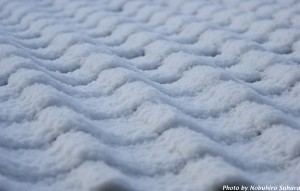
Repetition is not boring. It expands our imagination. This picture tells us so. When you see patterns in Japanese arts and architecture, forms of repeated element are often taken from organic figures such as a branch, a leaf, or a wave. Each element is simple and clean. When by itself, it is quiet and does not convey much.
Cat’s Eye View of Japanese Architecture Vol.2 – Crawling
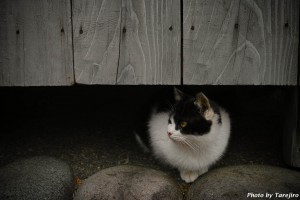
At the beginning of “I AM A CAT” by Soseki Natsume, an abandoned cat crawled through a gap in a bumboo fence looking for some food. It found itself in a yard of someone’s home and said “How strangely the wheel of fortune turns! Had it not been this gap,
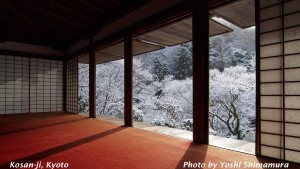
Japanese Architecture in Winter
Accoording to Yoshida Kenko’s famous Essays in Idleness (: Tsurezuregusa), “On buidling a house, it should be designed to suit the summer. In winter, one can live anywhere.” Really? Now I live in Connecticut, I am a little hesitant to agree with him, especially “living anywhere in winter” part. We had some snow
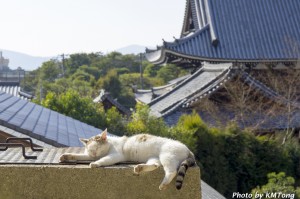
Cat’s Eye View of Japanese Architecture vol.1
Architects often visualize objects through a “bird’s eye view”. But at PED, we try to use a “cat’s eye view”, instead. Why? A view through “bird’s eye” is an image of space that you would never actually see as a human being. It would make you understand the total form of architecture, but if you never
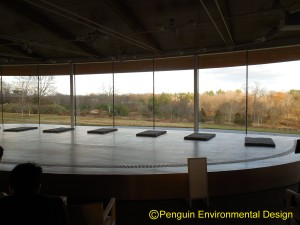
Essences of Japanese Architecture in Connecticut?
In visiting the Grace Farms in New Canaan,Connecticut, if you are expecting a typical American farm, such as the ones you see in the “Little House on the Prairie” (; I love that old TV series), then you might be dissapointed. But if you admire a life in the nature, like the
Patterns in Japanese Architecture – Roof Tile
Repetition is not boring. It expands our imagination. This picture tells us so. When you see patterns in Japanese arts and architecture, forms of repeated element are often taken from organic figures such as a branch, a leaf, or a wave. Each element is simple and clean. When by itself, it is quiet and does not convey much.
Cat’s Eye View of Japanese Architecture Vol.2 – Crawling
At the beginning of “I AM A CAT” by Soseki Natsume, an abandoned cat crawled through a gap in a bumboo fence looking for some food. It found itself in a yard of someone’s home and said “How strangely the wheel of fortune turns! Had it not been this gap,
Japanese Architecture in Winter
Accoording to Yoshida Kenko’s famous Essays in Idleness (: Tsurezuregusa), “On buidling a house, it should be designed to suit the summer. In winter, one can live anywhere.” Really? Now I live in Connecticut, I am a little hesitant to agree with him, especially “living anywhere in winter” part. We had some snow
Cat’s Eye View of Japanese Architecture vol.1
Architects often visualize objects through a “bird’s eye view”. But at PED, we try to use a “cat’s eye view”, instead. Why? A view through “bird’s eye” is an image of space that you would never actually see as a human being. It would make you understand the total form of architecture, but if you never
Essences of Japanese Architecture in Connecticut?
In visiting the Grace Farms in New Canaan,Connecticut, if you are expecting a typical American farm, such as the ones you see in the “Little House on the Prairie” (; I love that old TV series), then you might be dissapointed. But if you admire a life in the nature, like the